THE aRK JOURNAL / STYLE & GUIDANCE
10K vs 14K vs 18K Gold: Which Karat Is Right for You?
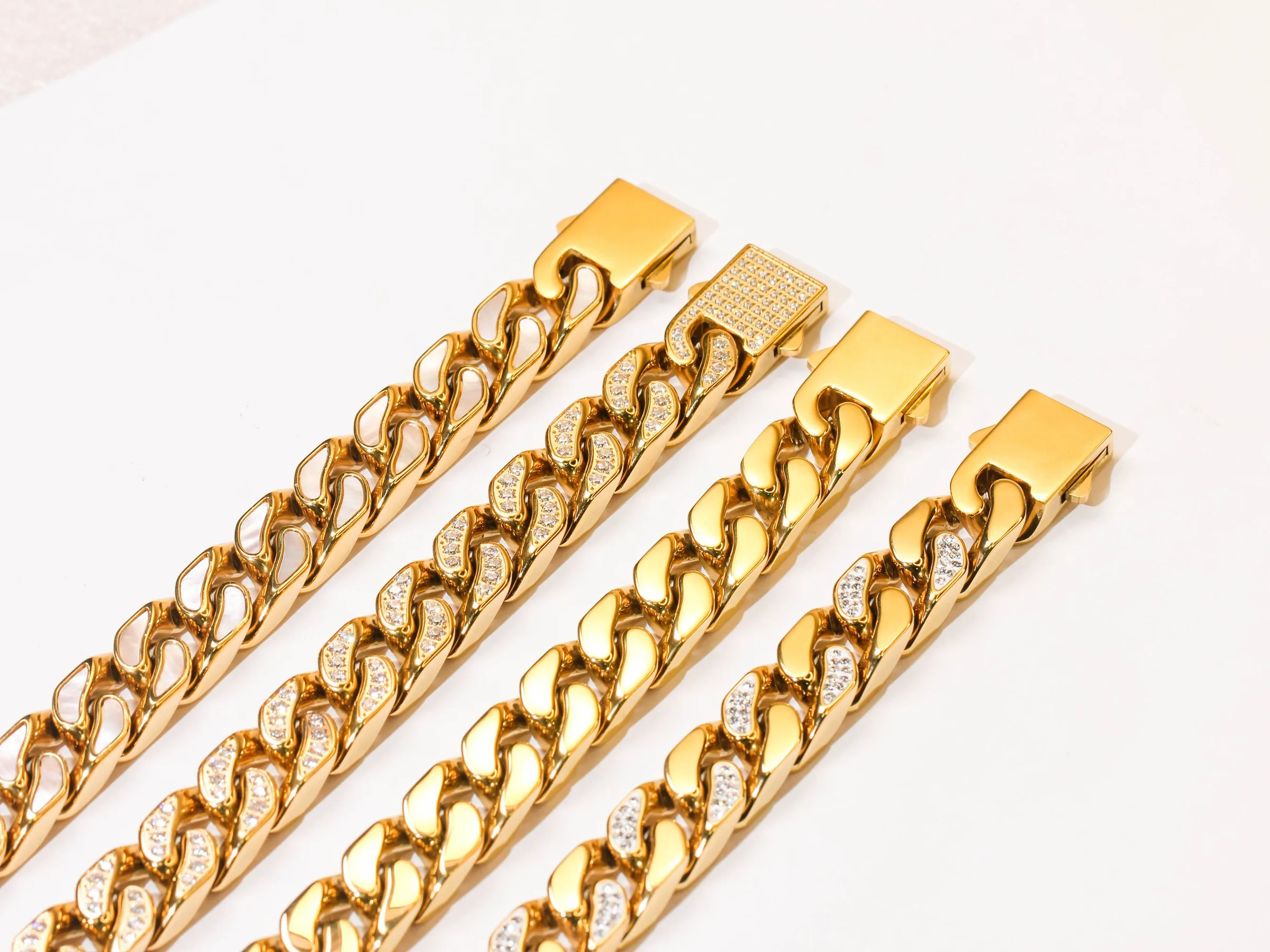
Look closely at almost any piece of gold jewelry and you'll find a tiny stamp: 10K, 14K or 18K. That number tells you how much pure gold is in the metal, and it affects how the piece looks, how it wears and what it costs. No karat is simply "best." Each one suits different people and different jewelry.
- Karat measures gold purity out of 24 parts. 24K is pure gold, 18K is 75% gold, 14K is 58.3% gold and 10K is 41.7% gold.
- Higher karat means a richer yellow color and a higher price, but softer metal that scratches and bends more easily.
- 14K is the most popular choice in the US for rings, chains and everyday pieces because it balances color, strength and price.
- 18K suits special pieces and sensitive skin. 10K is the toughest and most affordable.
What Karat Actually Means
Pure gold is too soft to hold its shape well, so jewelers mix it with other metals like silver, copper and zinc. The mix is called an alloy, and the karat tells you the ratio. 14K gold is 14 parts gold to 10 parts other metals. The stamp can also appear as a three-digit number: 417 for 10K, 585 for 14K and 750 for 18K.
10K vs 14K vs 18K at a Glance
- 10K (41.7% gold): the most durable and the most affordable, with a paler yellow color. A good pick for men's rings and pieces that see hard daily wear. It's the lowest purity that can be sold as karat gold in the US.
- 14K (58.3% gold): warm color that still reads clearly as gold, with good scratch resistance. The everyday standard for engagement rings, wedding bands, chains and earrings.
- 18K (75% gold): deep, buttery yellow and a heavier feel. Softer, so it shows wear faster on rings and bracelets. Often chosen for fine jewelry, heirloom pieces and anyone with metal sensitivities.
- 22K and 24K: very soft and rarely used for everyday jewelry in the US. Better suited to coins, bullion or pieces worn only occasionally.
Which Karat Should You Choose?
For rings you never take off
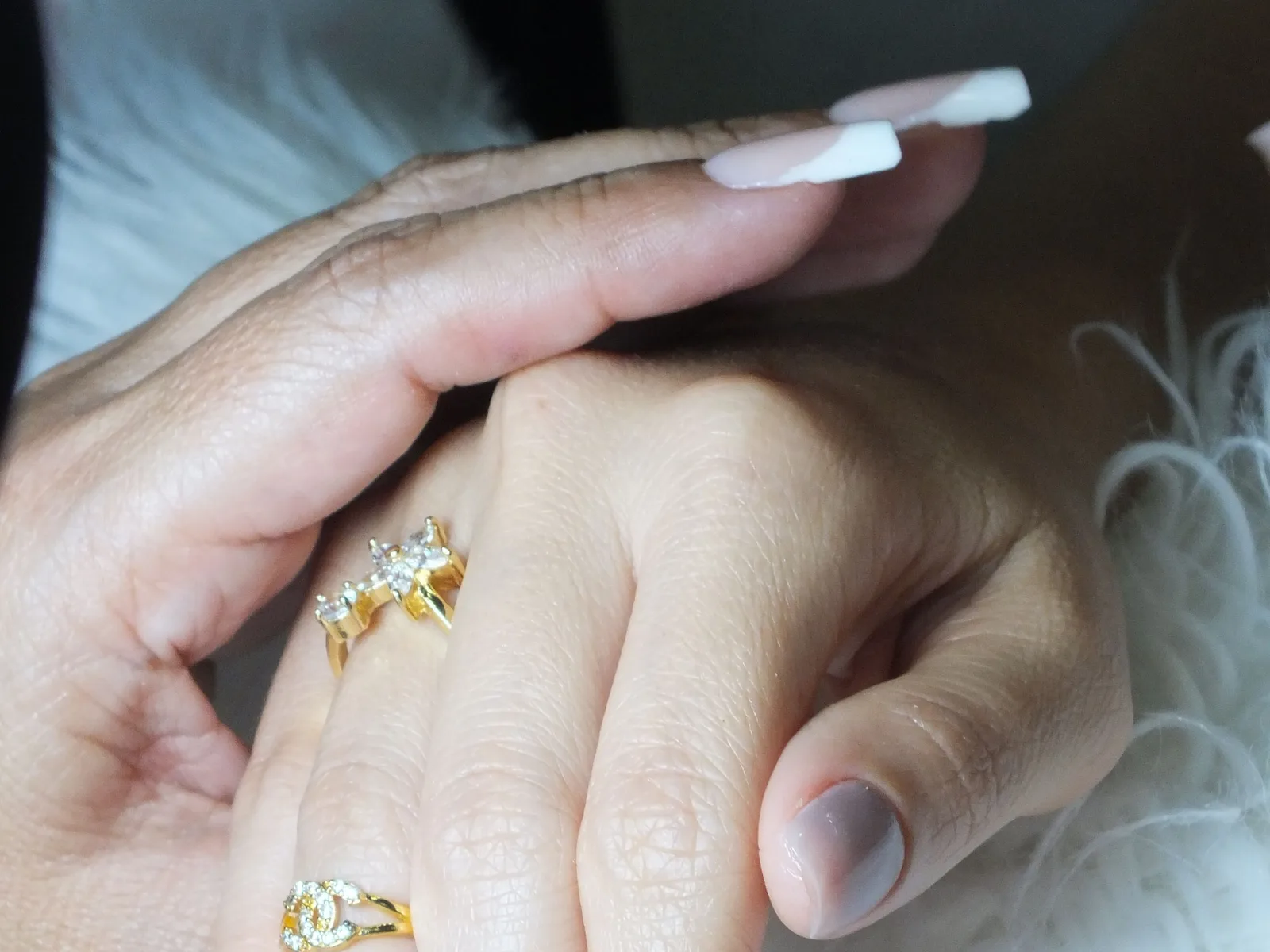
Rings take more knocks than any other jewelry. 14K is the sweet spot for engagement rings and wedding bands. If you work with your hands a lot, 10K holds up even better. Browse our rings.
For chains and necklaces
Thin chains in 18K can stretch or kink over time. 14K gives fine chains extra strength while keeping a rich color. Shop styles in our necklaces collection.
For earrings
Earrings sit against sensitive skin and take very little wear, so 14K and 18K both work well. Higher karats contain less of the alloy metals that can irritate ears, which helps if cheap earrings make yours itch. Browse earrings.
For gifts and special occasions
18K feels luxurious in the hand and has that saturated gold glow. It's a lovely choice for anniversary pieces or a pendant meant to be passed down.
What About White and Rose Gold?
Karat works the same way across colors. 14K white gold and 14K rose gold contain exactly as much gold as 14K yellow gold. The difference is in the other metals: rose gold gets its blush from copper, and white gold uses metals like palladium or nickel and is usually plated with rhodium for a bright finish. That plating wears over time, so plan on having white gold re-plated every couple of years.
Gold-Filled, Plated and Vermeil Aren't Solid Gold
If a listing says gold plated, gold-filled or vermeil, the piece isn't solid gold. Plated jewelry has a very thin gold layer over base metal. Gold-filled has a much thicker bonded layer. Vermeil is gold over sterling silver. These are fine for trend pieces, but for jewelry you'll wear every day for years, solid 10K, 14K or 18K will hold its color and value.
Short Summary
Look closely at almost any piece of gold jewelry and you'll find a tiny stamp: 10K, 14K or 18K. That number tells you how much pure gold is in the metal, and it affects how the piece looks,
Gold Karat FAQ
Is 14K or 18K gold better?
14K is better for daily wear because it's harder and more scratch resistant. 18K is better if you want a richer color, have sensitive skin or are buying a piece for special occasions.
Does 14K gold tarnish?
Solid 14K gold doesn't rust or flake. It can pick up a slight dull film from skin oils and lotion, which comes off with warm soapy water and a soft brush.
Can you shower with 14K gold?
Occasional showers won't hurt solid gold, but soap residue dulls the shine and chlorine can weaken the alloy over time. Take it off for swimming and cleaning.
Why is 18K gold more expensive?
It contains more gold: 75% compared with 58.3% in 14K. Since the price of gold drives most of the cost, a higher karat means a higher price for the same design.
Is 10K gold real gold?
Yes. 10K is a solid gold alloy and the minimum purity that can be sold as karat gold in the United States.
Banner photograph: Pexels. Thumbnail photograph: Pexels. In-article photograph: Pexels. Real photographs used under the Pexels License.
Related products & services
Explore pieces and guidance connected to this article.
Loading related pieces…
Related blogs
Diamond Shapes Guide: How to Choose the Right Cut for Your Style
Ask ten people to describe their dream diamond and you'll hear about shape long before carat or clarity comes up. Shape sets the personality of a piece. A round brilliant feels classic, an e
Read article →
Necklace Length Guide: How to Choose the Right Chain for Every Neckline
You find a necklace you love, order it, put it on and... it lands in the wrong spot. It hides under your collar, gets lost in a crewneck, or hits right at a seam. Usually the problem isn't t
Read article →
Fall 2026 Jewelry Trends: Textured Gold, Bold Silver and Statement Pieces
Every fall, the runways hand down a long list of jewelry "musts," and most of them never leave the runway. This season is different. The fall 2026 jewelry trends are easy to wear, flatter sw
Read article →