THE aRK JOURNAL / STYLE & GUIDANCE
Diamond 4Cs Explained: How to Buy a Diamond With Confidence
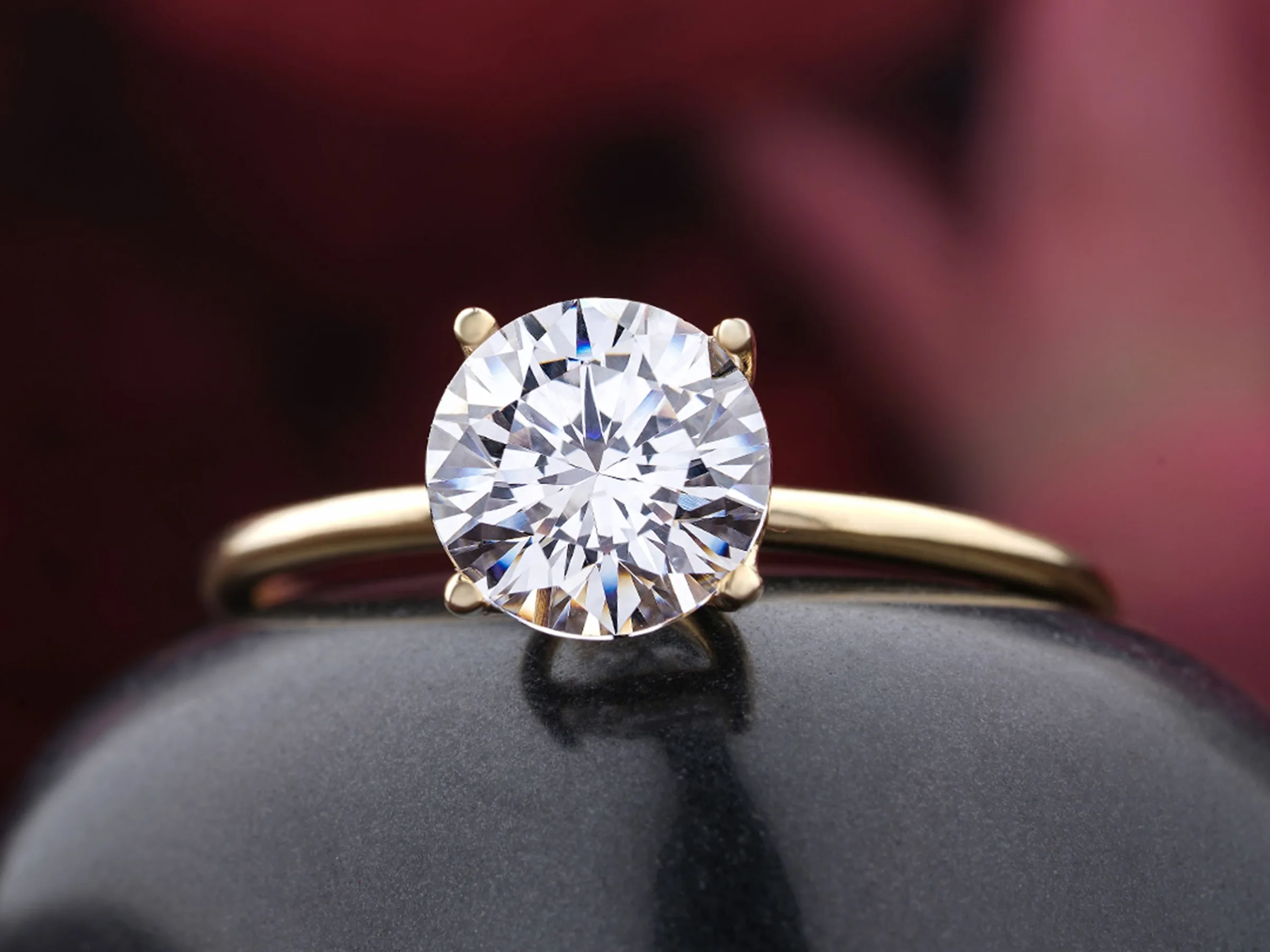
Every diamond is sold with a short list of grades: cut, color, clarity and carat. Those four letters decide most of the price, but they don't all matter equally to how a stone looks on your hand. If you know where to spend and where to save, a modest budget can buy a diamond that looks far more expensive than it is.
- Cut has the biggest effect on sparkle. Buy the best cut grade you can before you upgrade anything else.
- Most people can't see color differences between D and H once a diamond is set, especially in yellow or rose gold.
- A clarity grade of VS2 or SI1 is often "eye-clean," meaning you won't see inclusions without magnification.
- Prices jump at whole and half carats. A 0.90-carat stone can cost noticeably less than a 1.00 and look almost identical.
Cut: The C You'll Notice Every Day
Cut isn't the shape of the diamond. It describes how well the facets are angled and finished to send light back to your eye. A well-cut stone throws off bright flashes of white light and small bursts of color. A poorly cut one can look glassy or dark in the center, even if its other grades are excellent.
For round diamonds, GIA grades cut from Excellent down to Poor. Aim for Excellent or Very Good. Fancy shapes like oval and pear don't get an official GIA cut grade, so study photos and videos, and watch for a "bow tie," a dark band across the middle that some elongated stones show.
Color: Whiter Isn't Always Worth It
White diamonds are graded on a scale from D (colorless) to Z (light yellow or brown). The difference between neighboring grades is tiny and usually only visible when stones sit side by side on a white grading tray.
- D to F: colorless. A premium price for a difference few people can detect.
- G to H: near colorless. The sweet spot for platinum and white gold settings.
- I to J: a faint warmth that disappears in yellow or rose gold, at a real saving.
Your metal choice matters here. Yellow gold reflects warm tones into the stone, so paying for a D color and setting it in 14K yellow gold wastes some of what you paid for.
Clarity: What "Eye-Clean" Really Means
Almost every natural diamond has tiny internal features called inclusions, along with surface marks called blemishes. Clarity grades run from Flawless (FL) and Internally Flawless (IF) through VVS1, VVS2, VS1, VS2, SI1 and SI2, down to I1 through I3.
For most buyers, the goal isn't a perfect stone. It's one where nothing shows when you look at it from a normal distance. Many VS2 and SI1 diamonds pass that test, but not all of them, so ask for a magnified photo and check where the inclusion sits. A small crystal near the edge, tucked under a prong, is very different from a dark spot in the middle of the table.
Carat: Size, Weight and Price Jumps
Carat measures weight, not size. One carat equals 0.2 grams. Two diamonds of the same weight can look different in size if one is cut deep and the other a little shallower, which is one more reason cut comes first.
Prices climb sharply at "magic" weights like 0.50, 0.75, 1.00 and 1.50 carats. Buying just under those numbers, such as a 0.92 or a 1.45, saves money without a difference anyone could see across a dinner table. Finger size matters too: a 1-carat round looks bigger on a size 5 finger than on a size 8.
How to Balance the 4Cs on a Budget
- Lock in an Excellent or Very Good cut first.
- Choose G to H color for white metal, or I to J for yellow and rose gold.
- Look for eye-clean VS2 or SI1 clarity and confirm it with a magnified photo.
- Pick a carat weight just below a price break, then put what you saved toward the setting.
Don't Forget the Grading Report
A report from an independent lab such as GIA or IGI is your proof that the grades are real. It lists the 4Cs, measurements and fluorescence, and for lab-grown stones it confirms their origin. Match the report number to the laser inscription on the diamond's girdle when you can, and keep a copy with your insurance paperwork.
Ready to Shop?
Now that you know which grades matter most, browse our diamond rings, compare sparkle in our earrings, or find a single stone to wear every day among our pendants.
Banner photograph: Pexels. Thumbnail photograph: Pexels. In-article photograph: Pexels. Real photographs used under the Pexels License.
Short Summary
Every diamond is sold with a short list of grades: cut, color, clarity and carat. Those four letters decide most of the price, but they don't all matter equally to how a stone looks on your
No FAQs have been added to this article yet. Ask a jewelry specialist.
Related products & services
Explore pieces and guidance connected to this article.
Loading related pieces…
Related blogs
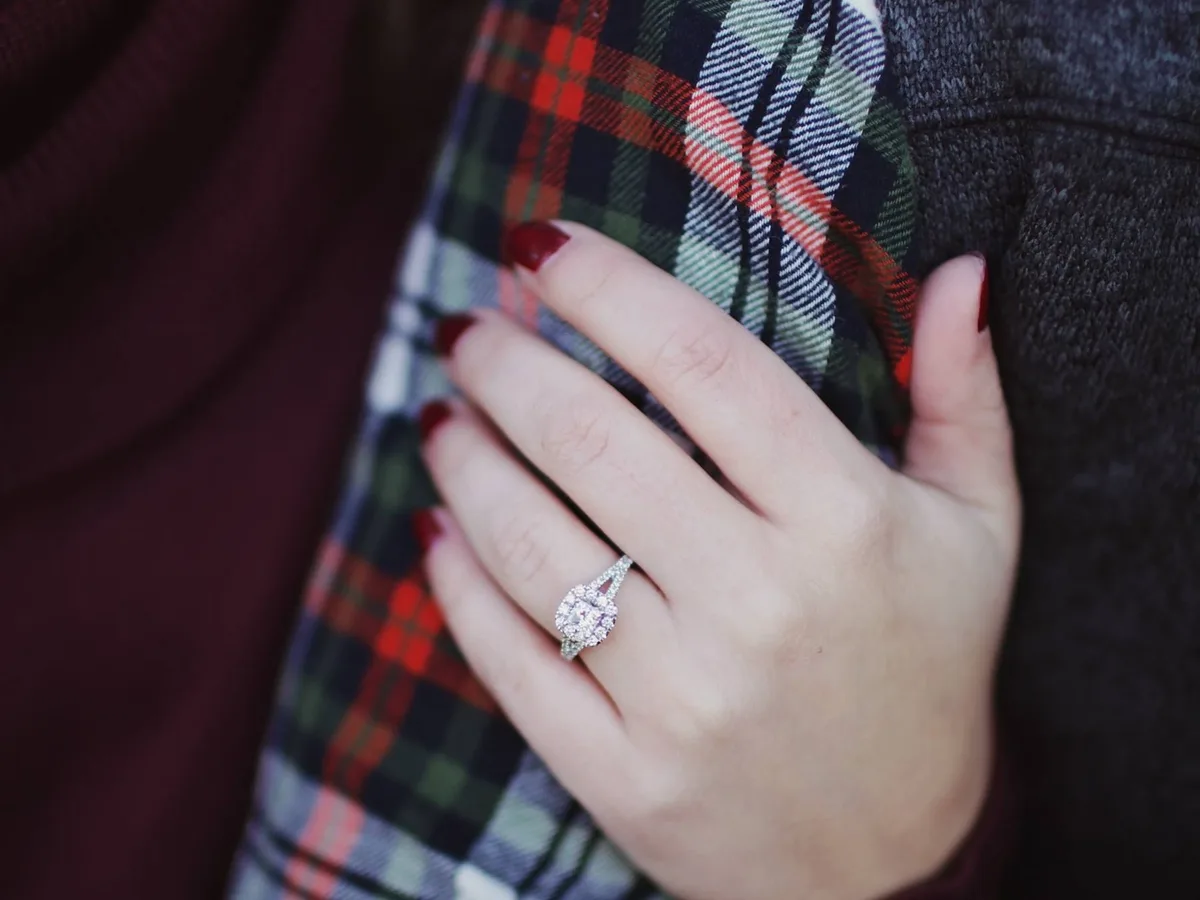
Engagement Ring Settings Guide: Prong, Bezel, Halo and Pavé Explained
Most engagement-ring shopping starts with the diamond. The setting, though, is what you see every time you look at your hand. It decides how big the stone looks, how much it catches on sweat
Read article →
Diamond Shapes Guide: How to Choose the Right Cut for Your Style
Ask ten people to describe their dream diamond and you'll hear about shape long before carat or clarity comes up. Shape sets the personality of a piece. A round brilliant feels classic, an e
Read article →
Diamond Jewelry Care: Sprays and Products to Avoid
A final mist of perfume, a little hand cream or a quick wipe of the kitchen counter can bring diamond jewelry into contact with products it does not need. Some leave a film that makes a ston
Read article →