THE aRK JOURNAL / STYLE & GUIDANCE
Engagement Ring Settings Guide: Prong, Bezel, Halo and Pavé Explained
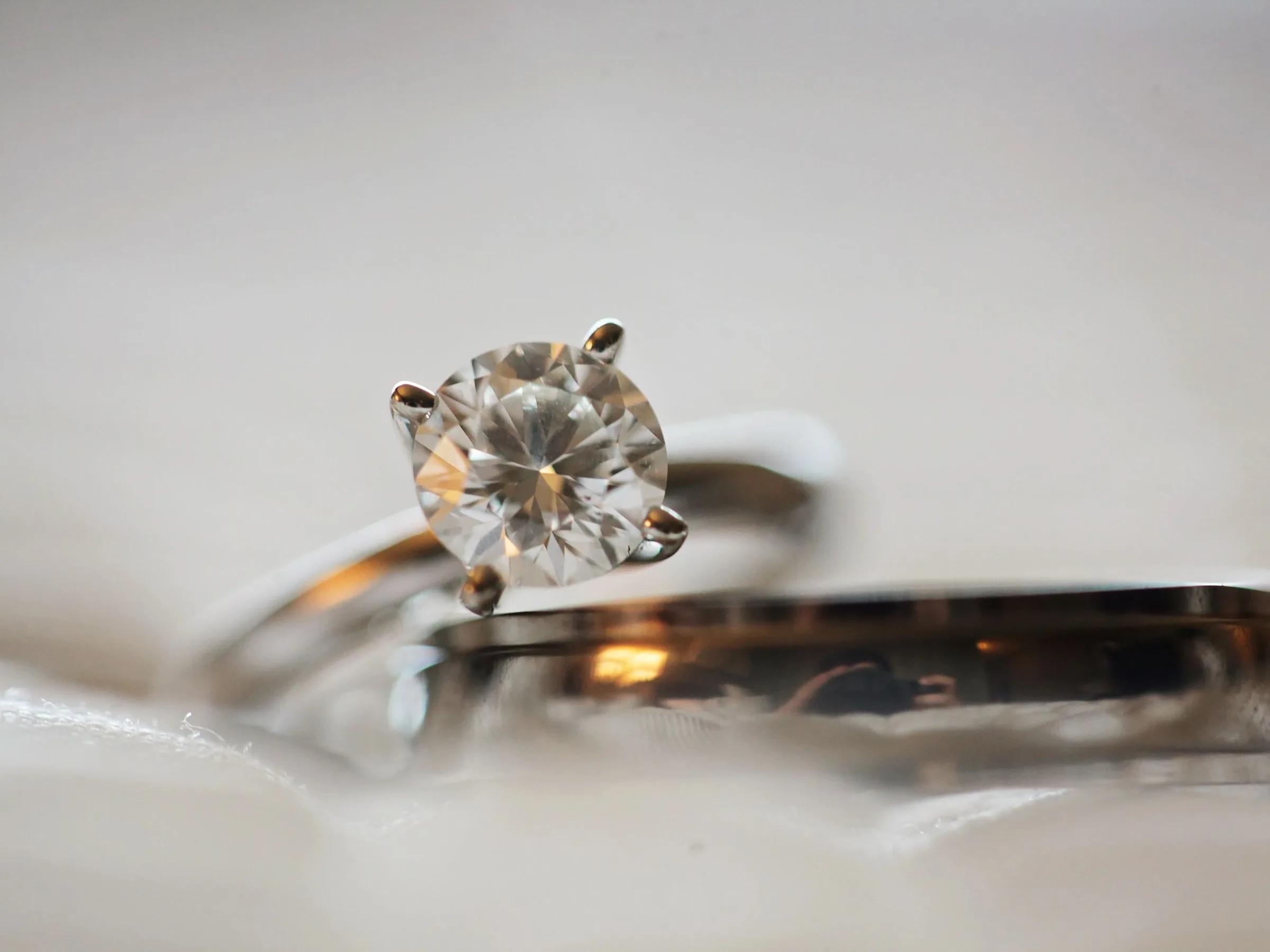
Most engagement-ring shopping starts with the diamond. The setting, though, is what you see every time you look at your hand. It decides how big the stone looks, how much it catches on sweaters, how easy it is to clean, and whether a wedding band sits flush beside it. Here's how the most popular settings compare.
- Prong settings show the most diamond and let in the most light. Six prongs hold the stone more securely than four.
- Bezel settings wrap the stone in metal. They're the best choice for active hands and busy jobs.
- A halo can make the center stone look up to half a carat larger for much less money.
- Pavé bands add sparkle, but tiny stones need regular checks, and the band is harder to resize.
Prong Setting
Small metal claws grip the diamond and lift it above the band. That's the classic solitaire. With so little metal around the stone, light gets in from every angle, so prong settings usually look the brightest.
Good to know: high prongs can snag on knits and hair. Have a jeweler check them once a year, since a bent prong is how most stones get lost. Rounded or claw-tipped prongs catch less than pointed ones.
Bezel Setting
A thin collar of metal circles the whole edge of the stone. It looks sleek and modern, and it protects the girdle, the thin edge where diamonds are most likely to chip. Nurses, teachers, climbers and anyone who works with their hands tend to love it.
Good to know: the metal rim covers a little of the stone, so it can look slightly smaller than it would in prongs. A half bezel, which covers only two sides, splits the difference.
Halo Setting
A ring of small diamonds surrounds the center stone. Viewed from the top, the whole cluster reads as one larger diamond. It's one of the easiest ways to stretch a budget. A 0.75-carat center with a halo can look as big as a solitaire near 1.25 carats.
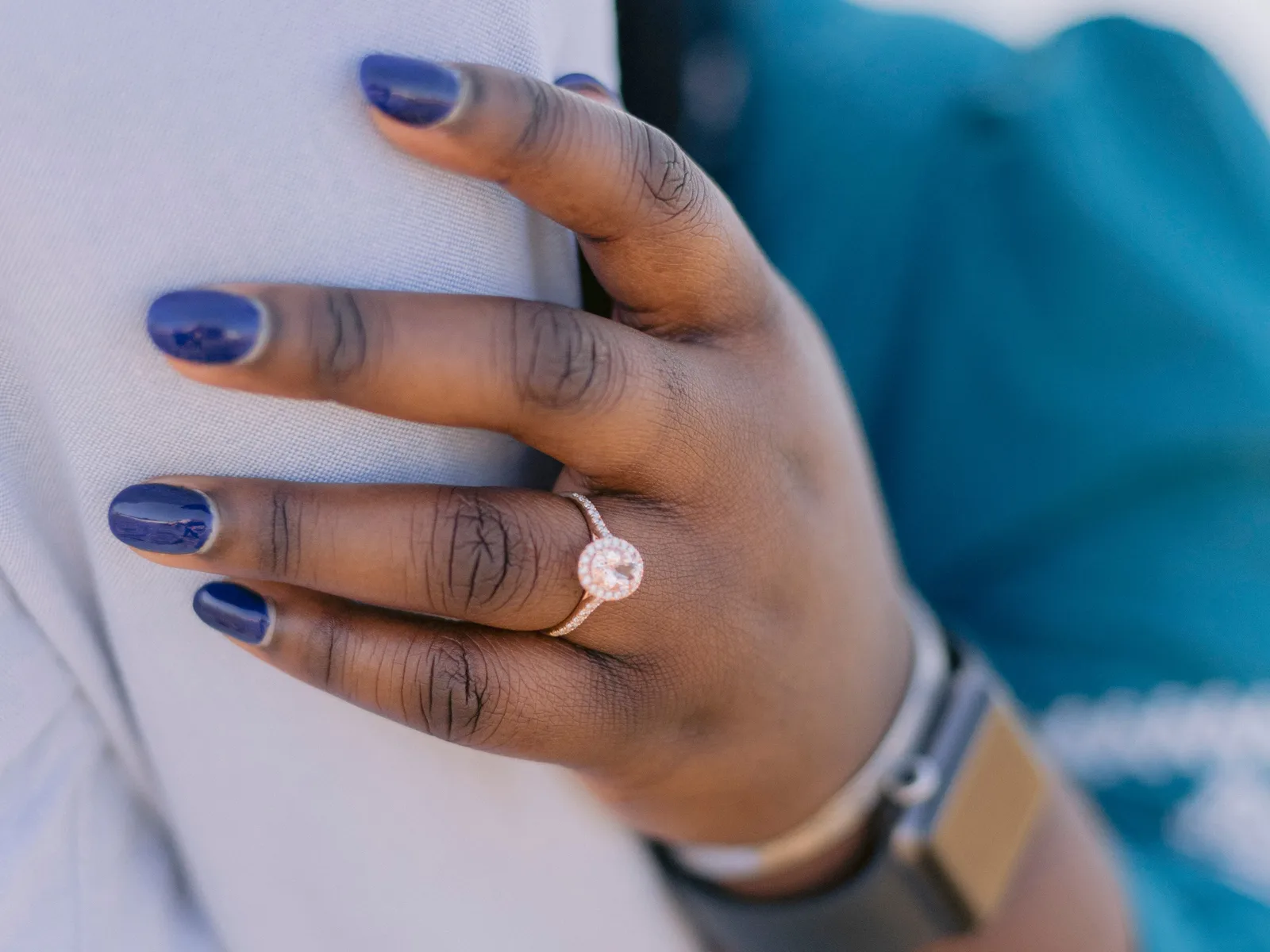
Good to know: a halo sits wider on the finger, so check that your wedding band can sit beside it. Some halos need a curved or notched band.
Pavé and Channel Settings
Pavé (pronounced "pa-VAY") lines the band with tiny diamonds held by little beads of metal, so the ring sparkles all the way around. Channel settings set small stones in a groove between two metal walls, which is smoother and snags less.
Good to know: a pavé band that goes all the way around is hard to resize, so get your size right first. Half-way pavé on the top of the band only is easier to adjust and more comfortable.
Cathedral and Low-Profile Options
A cathedral setting raises the stone on arches of metal, which looks elegant and makes it more visible from the side. A low-profile or "flush" setting keeps the stone close to the finger, so it's more practical but less dramatic. If you wear gloves or work outdoors, lean low. If you want the ring to be the center of attention, a cathedral setting delivers.
Picking the Right One for You
- Want maximum sparkle: six-prong solitaire or a pavé band.
- Hard on your hands: bezel or a low-profile setting.
- Want more size for the money: halo.
- Planning a stacked look: choose a setting that lets a straight band sit flush, or pick a matching curved band at the same time.
Find Your Setting
Try a few styles and see which feels like yours. Browse our rings to compare settings side by side, and look at our earrings if you'd like studs that match.
Banner photograph: Pexels. Thumbnail photograph: Pexels. In-article photograph: Pexels. Real photographs used under the Pexels License.
Short Summary
Most engagement-ring shopping starts with the diamond. The setting, though, is what you see every time you look at your hand. It decides how big the stone looks, how much it catches on sweat
No FAQs have been added to this article yet. Ask a jewelry specialist.
Related products & services
Explore pieces and guidance connected to this article.
Loading related pieces…
Related blogs
How to Find Your Ring Size at Home: A Simple Guide
A ring that spins around your finger or leaves a dent at the end of the day isn't one you'll reach for often. Getting the size right is the least exciting part of buying a ring, and it matte
Read article →
Should Your Wedding Ring Match Your Partner’s? A Modern Couple’s Guide
Choosing wedding rings is an exciting part of getting ready for marriage. For some couples, finding two rings with the same metal, finish, and design feels like the perfect way to celebrate
Read article →
Pearl Jewelry Guide: Types, Quality and How to Care for Pearls
Pearls used to mean one thing: a strand your grandmother wore to church. These days they turn up on paperclip chains, mismatched in a single ear, and stacked with gold. They're the only gem
Read article →