THE aRK JOURNAL / STYLE & GUIDANCE
How to Build an Ear Stack: A 2026 Guide to Curated Earrings
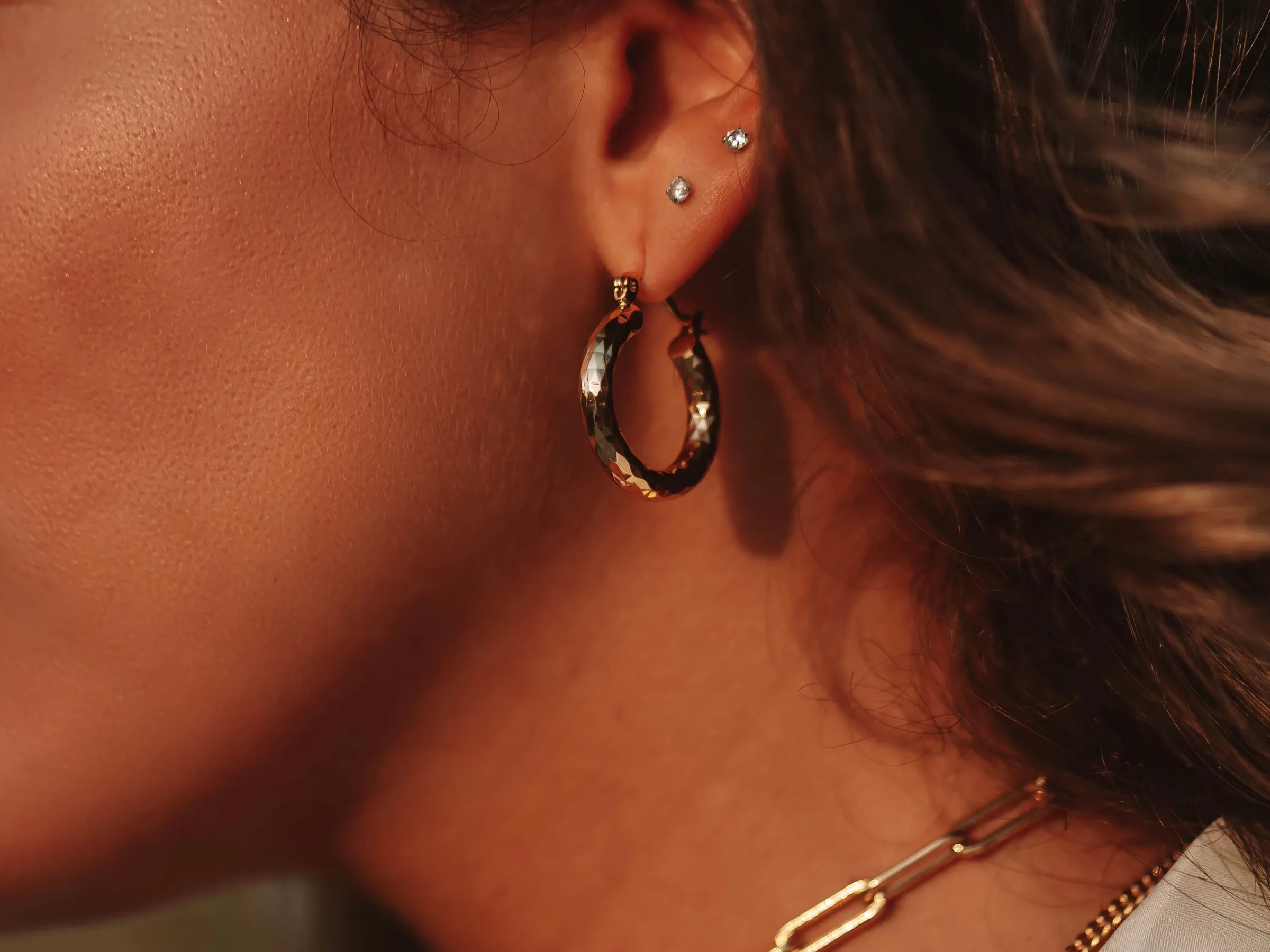
A few years ago, "earrings" meant one matching pair. Now most of us have two, three or even five piercings per ear, and the fun is in how you fill them. A good ear stack looks collected over time rather than bought as a set. It mixes sizes and shapes, and it works for a Tuesday at the office as well as a Saturday dinner.
Ready to build your first stack, or tired of the one you have now? This guide covers how to plan the layout, which earrings go where, and the small rules that keep a curated ear from looking cluttered.
- Go from biggest to smallest: the largest piece sits in your first lobe hole and things get smaller as you move up the ear.
- Stick to three or four shapes at most, such as a hoop, a stud and a huggie, and repeat at least one metal.
- Leave some space empty. The bare skin between pieces is part of the design.
- Use implant-grade titanium or solid 14k gold for new piercings. Cartilage takes 6 to 12 months to heal, sometimes longer.
1. Start With a Map of Your Ear
Before you buy anything, look in the mirror and count your piercings. Most stacks are built from the same few spots:
- First, second and third lobe: the soft lower part of the ear and the easiest place to start.
- Upper lobe: just where the lobe meets the cartilage, a great spot for a tiny stud.
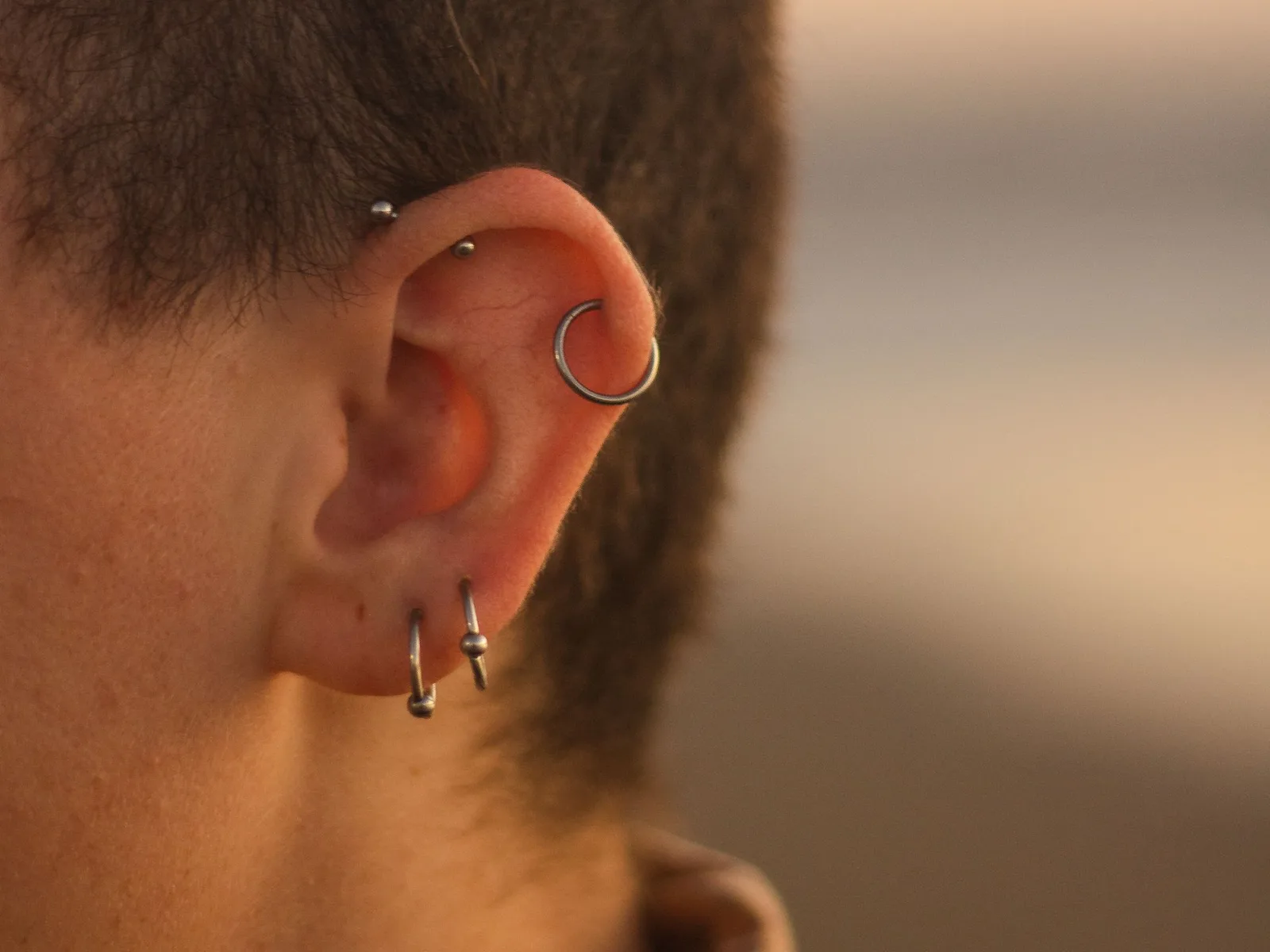
- Helix: the outer rim of the upper ear, home to small hoops and climbers.
- Flat and conch: the inner flat areas, best for flat-back studs.
- Tragus: the small flap in front of the ear canal, made for a single small stud.
Don't have many piercings? You can still stack. Ear cuffs slide onto the cartilage without a piercing, and a well-chosen ear climber in your first hole can look like three earrings at once.
2. Follow the Big-to-Small Rule
The most reliable stacking formula is also the simplest: put your boldest piece in the first lobe hole and scale down as you climb the ear. A medium hoop at the bottom, a smaller huggie above it, a tiny stud or two near the top. The eye reads the ear from bottom to top, so the stack feels balanced instead of top-heavy.
A few easy formulas to try:
- Classic trio: 15mm gold hoop, 8mm huggie, 2mm ball stud.
- Sparkle stack: diamond or lab-grown stud in the first hole, smaller diamond stud in the second, plain gold huggie on the helix.
- Soft and pretty: pearl drop, tiny pearl stud, thin gold hoop.
Find hoops, studs and huggies in our earrings collection.
3. Pick a Theme, Then Break It Once
Stacks look polished when they have something in common. That could be one metal, one shape, or one stone. Pick your thread first, then add a single piece that breaks the rule on purpose. An all-gold stack with one pearl. A hoop-heavy ear with one sharp geometric stud. A row of diamonds with one plain gold bar. The contrast is what makes people look twice.
Want to mix gold and silver? It works best when each metal shows up at least twice, so it looks chosen rather than accidental. Our guide to mixing gold and silver walks through it.
4. Use Empty Space on Purpose
The biggest mistake in ear styling is filling every hole with something that sparkles. Leave a gap between your lobe stack and your cartilage piece, and both will stand out. Many stylists also suggest making your two ears different. Wear the full stack on the side where you part your hair, and keep the other ear simple with one hoop and one stud.
5. Choose the Right Metal for Each Piercing
What your earrings are made of matters more than how they look, especially for newer piercings.
- Solid 14k or 18k gold: comfortable for most people, won't tarnish and lasts for years. A smart pick for pieces you never take out.
- Implant-grade titanium: the go-to for fresh cartilage piercings and anyone with nickel sensitivity.
- Sterling silver: beautiful and affordable for healed lobes. It can tarnish, so store it in an anti-tarnish pouch.
- Avoid plated "mystery metal" in new or sensitive piercings. Plating wears off and can irritate the skin.
Flat-back (threadless or labret) studs are the most comfortable choice for upper-ear piercings, because nothing pokes your neck when you sleep or talk on the phone.
6. Stacks for Every Occasion
- Office: small huggies and stud earrings that won't catch on headsets or sweaters.
- Weekend: a bigger textured hoop in the first hole, everything else stays the same.
- Night out: swap your first-hole hoop for a diamond or crystal drop and add an ear cuff.
- Wedding guest: pearls and diamonds, kept small near the top so the drop earring gets the spotlight.
Short Summary
A few years ago, "earrings" meant one matching pair. Now most of us have two, three or even five piercings per ear, and the fun is in how you fill them. A good ear stack looks collected over
Ear Stacking FAQ
How many piercings do I need for an ear stack?
Two is enough to start. A hoop and a stud in two lobe holes already counts as a stack, and an ear cuff adds a third piece with no new piercing.
Should both ears match?
They don't have to. An asymmetrical look, with a full stack on one side and a simple pair on the other, is one of the most popular ways to wear it right now.
Can I sleep in my ear stack?
Flat-back studs and small seamless huggies are usually comfortable to sleep in. Take off larger hoops, drops and cuffs at night so they don't snag or bend.
What size hoop is best for the second hole?
Most people like a 6mm to 10mm huggie in the second lobe hole. It should sit close to the ear and look smaller than the hoop in the first hole.
What is a good first ear stack gift?
A set of small gold huggies or a pair of diamond studs is a safe bet. Both work on their own and slot easily into a bigger stack later. Explore gift-ready pieces in earrings.
Banner photograph: Pexels. Thumbnail photograph: Pexels. In-article photograph: Pexels. Real photographs used under the Pexels License.
Related products & services
Explore pieces and guidance connected to this article.
Loading related pieces…
Related blogs
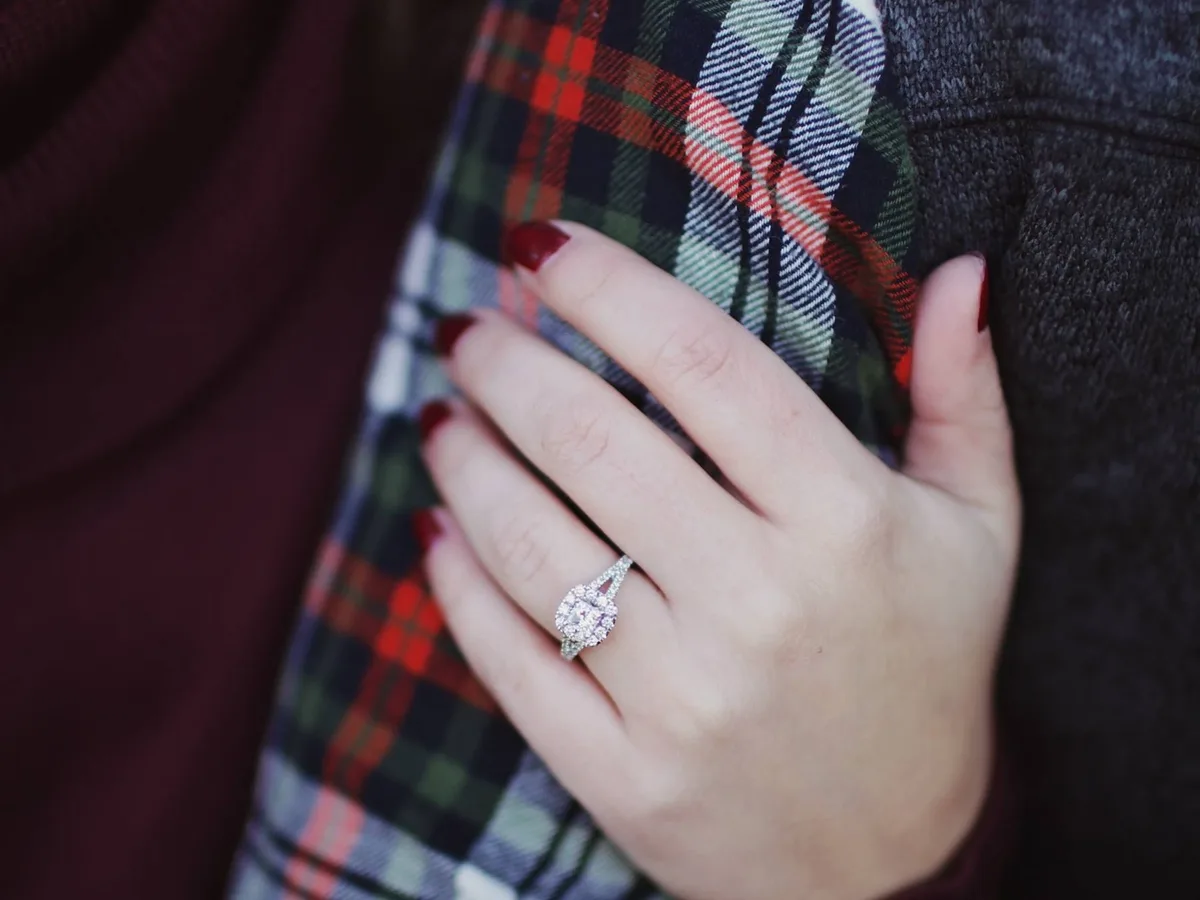
Engagement Ring Settings Guide: Prong, Bezel, Halo and Pavé Explained
Most engagement-ring shopping starts with the diamond. The setting, though, is what you see every time you look at your hand. It decides how big the stone looks, how much it catches on sweat
Read article →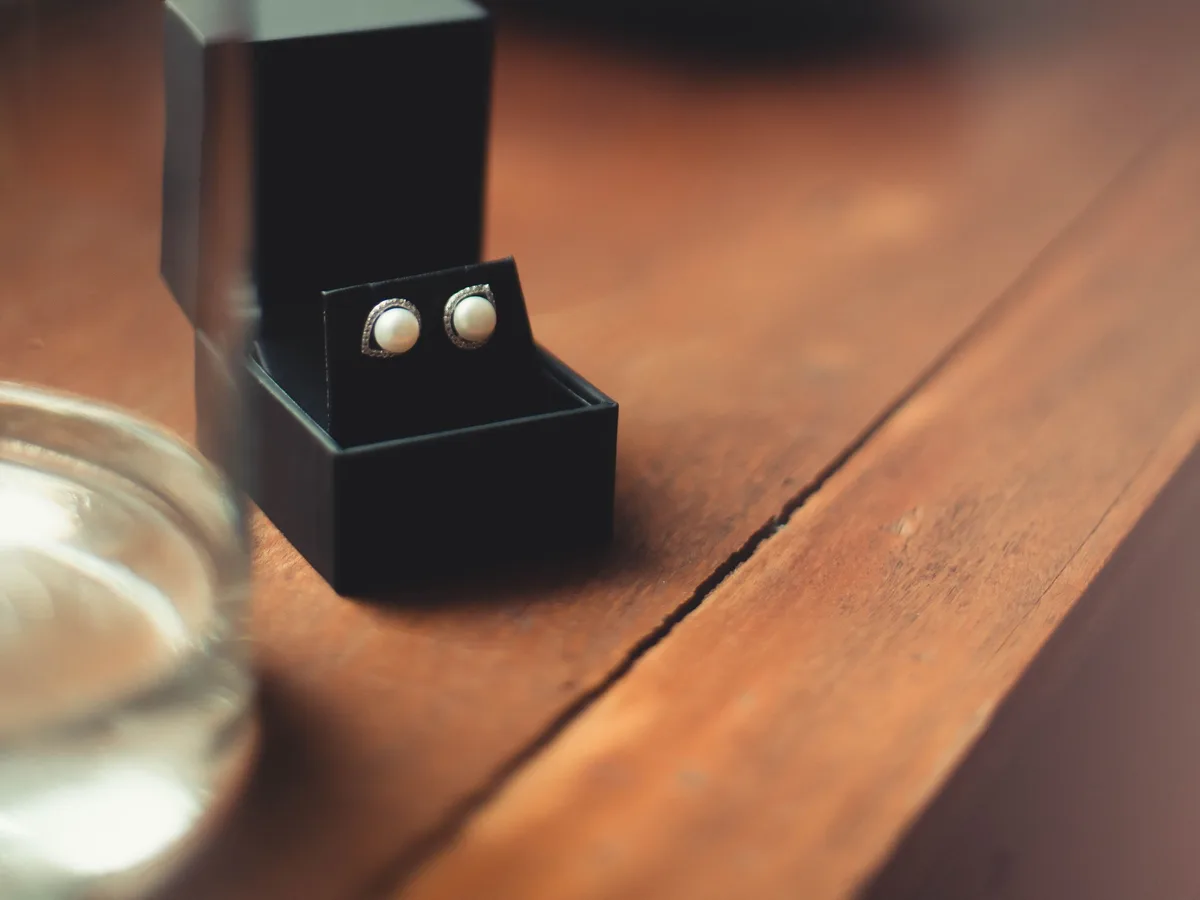
Pearl Jewelry Guide: Types, Quality and How to Care for Pearls
Pearls used to mean one thing: a strand your grandmother wore to church. These days they turn up on paperclip chains, mismatched in a single ear, and stacked with gold. They're the only gem
Read article →
Diamond Shapes Guide: How to Choose the Right Cut for Your Style
Ask ten people to describe their dream diamond and you'll hear about shape long before carat or clarity comes up. Shape sets the personality of a piece. A round brilliant feels classic, an e
Read article →